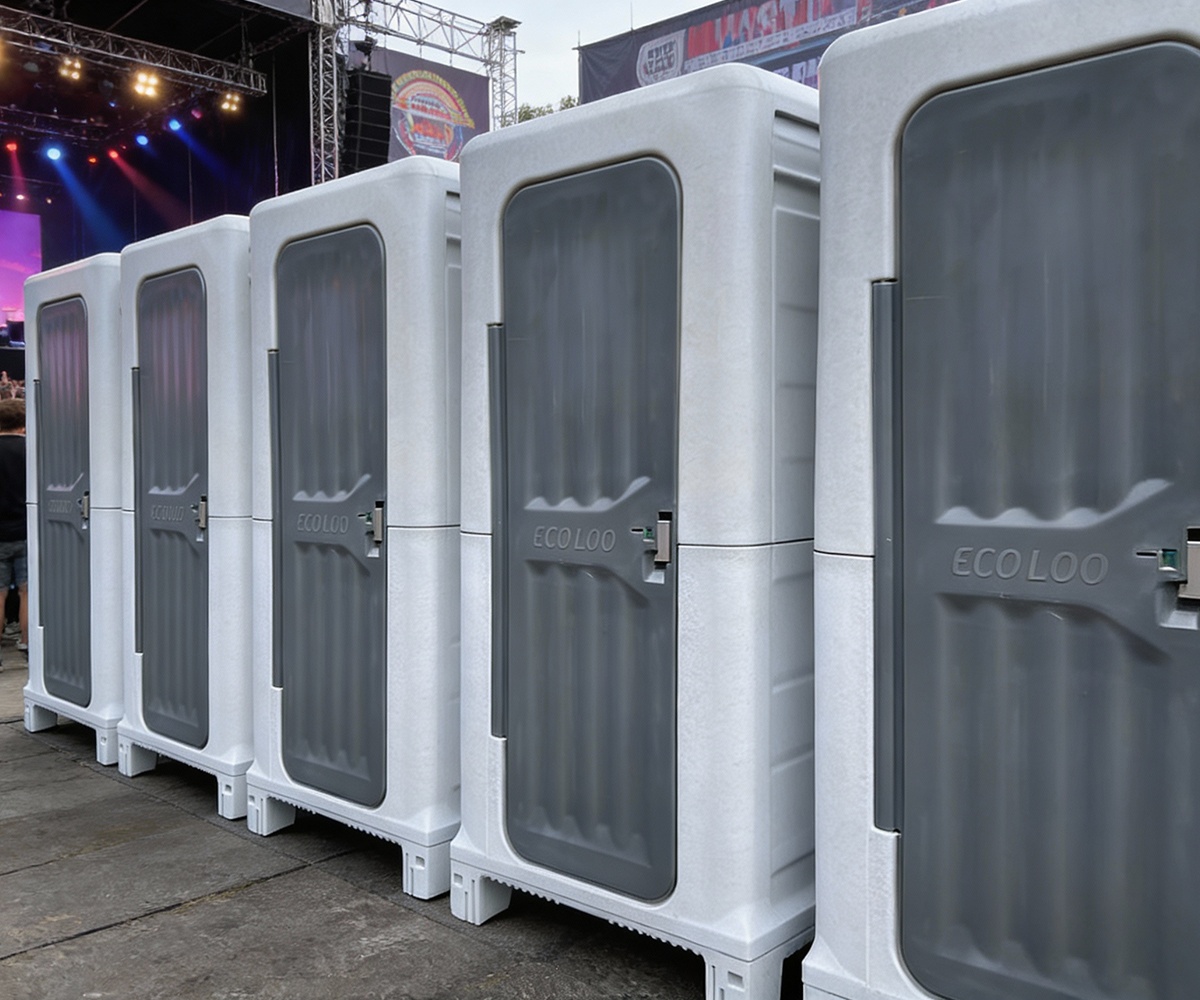
Ready-to-use portable toilets
At Avanza Matrix, the concept of “ready to use” is not a marketing claim, but the foundation of our business model. We manufacture personal hygiene equipment so that it is fully operational from the moment it is delivered, without intermediate assembly stages or reliance on additional operator resources.
This difference becomes critical when compared to other manufacturers — often located outside Spain — who, in order to reduce long-distance logistics costs, supply flat-packed or unassembled units. That decision transfers part of the production process to the end customer, with all the operational implications this entails.
1) The hidden cost: time, labour and risk
When a unit is delivered unassembled, the operator must take on tasks that go far beyond the purchase itself:
- Additional time for transport and on-site assembly per unit.
- Skilled labour hours required to assemble, adjust and verify each cabin.
- Tools and suitable space to carry out the installation.
- Operational risk: more potential failure points before the unit even enters service.
In certain contexts this model may fit. However, it is important to understand that the purchase price does not reflect the real total cost until the unit is fully assembled and operational.
2) What “ready to use” really means
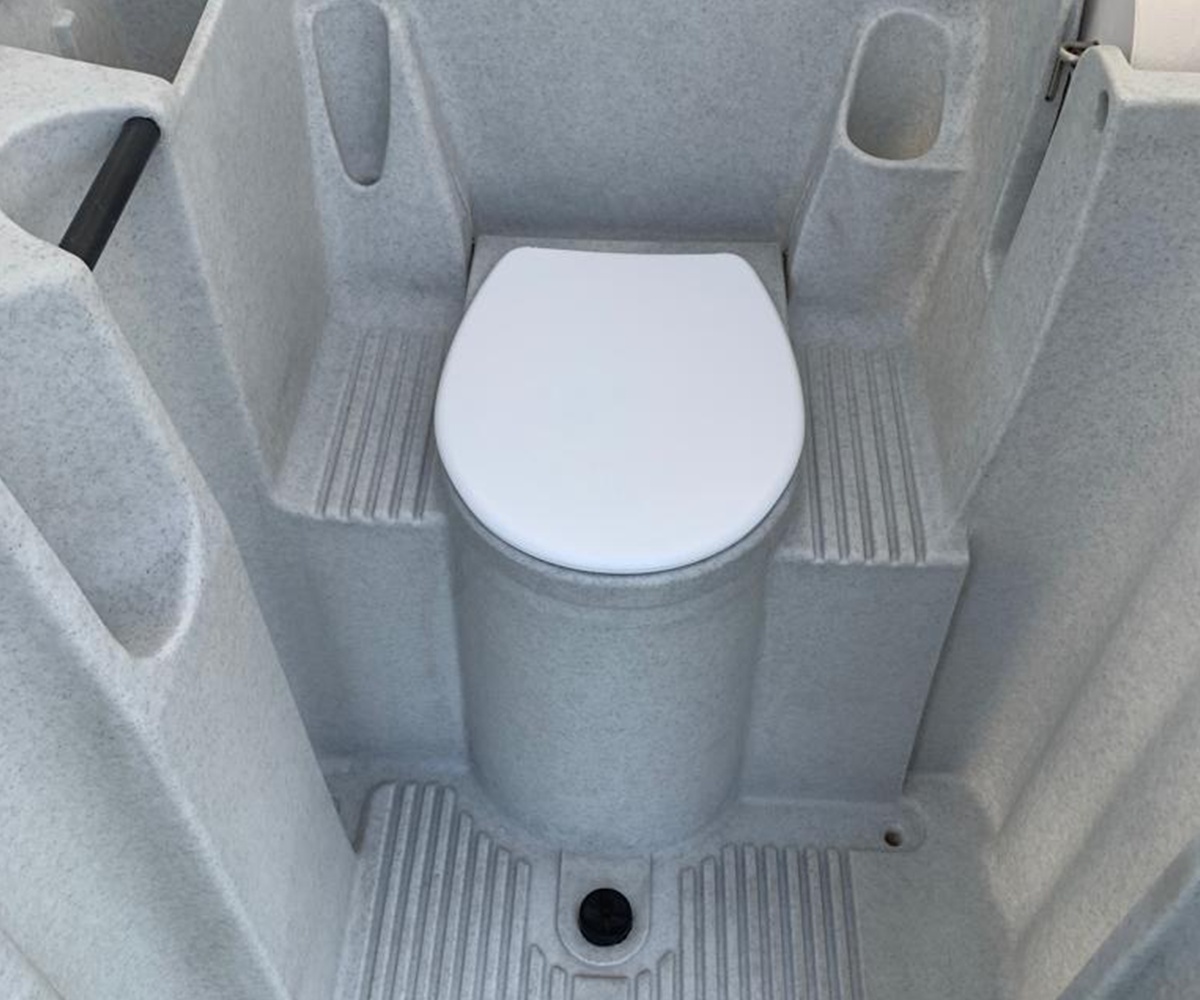
A ready-to-use portable toilet is delivered to the operator assembled, equipped and prepared for its intended function. This does not eliminate the need for planning (location, access, servicing logistics), but it removes a critical phase: mandatory assembly.
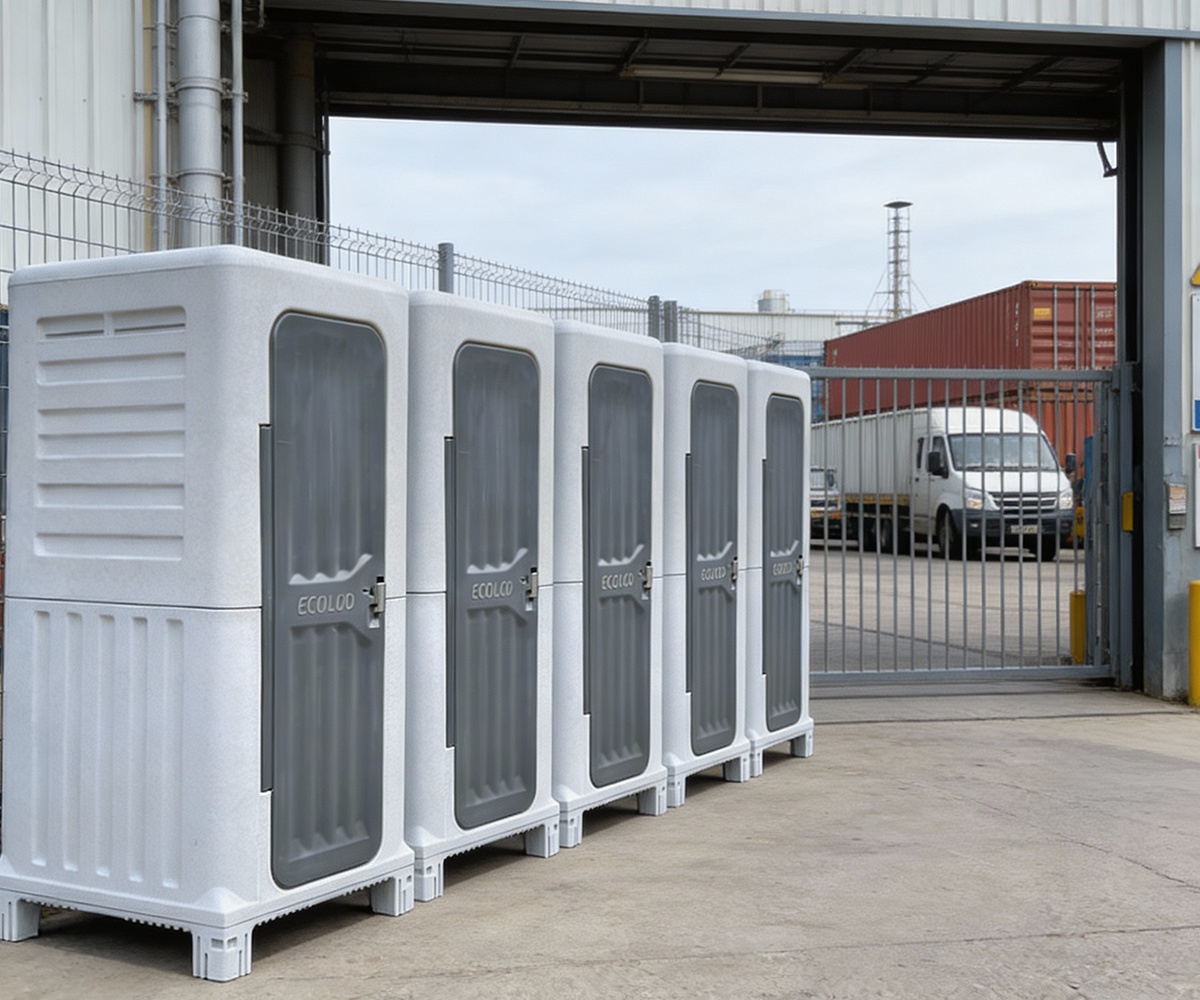
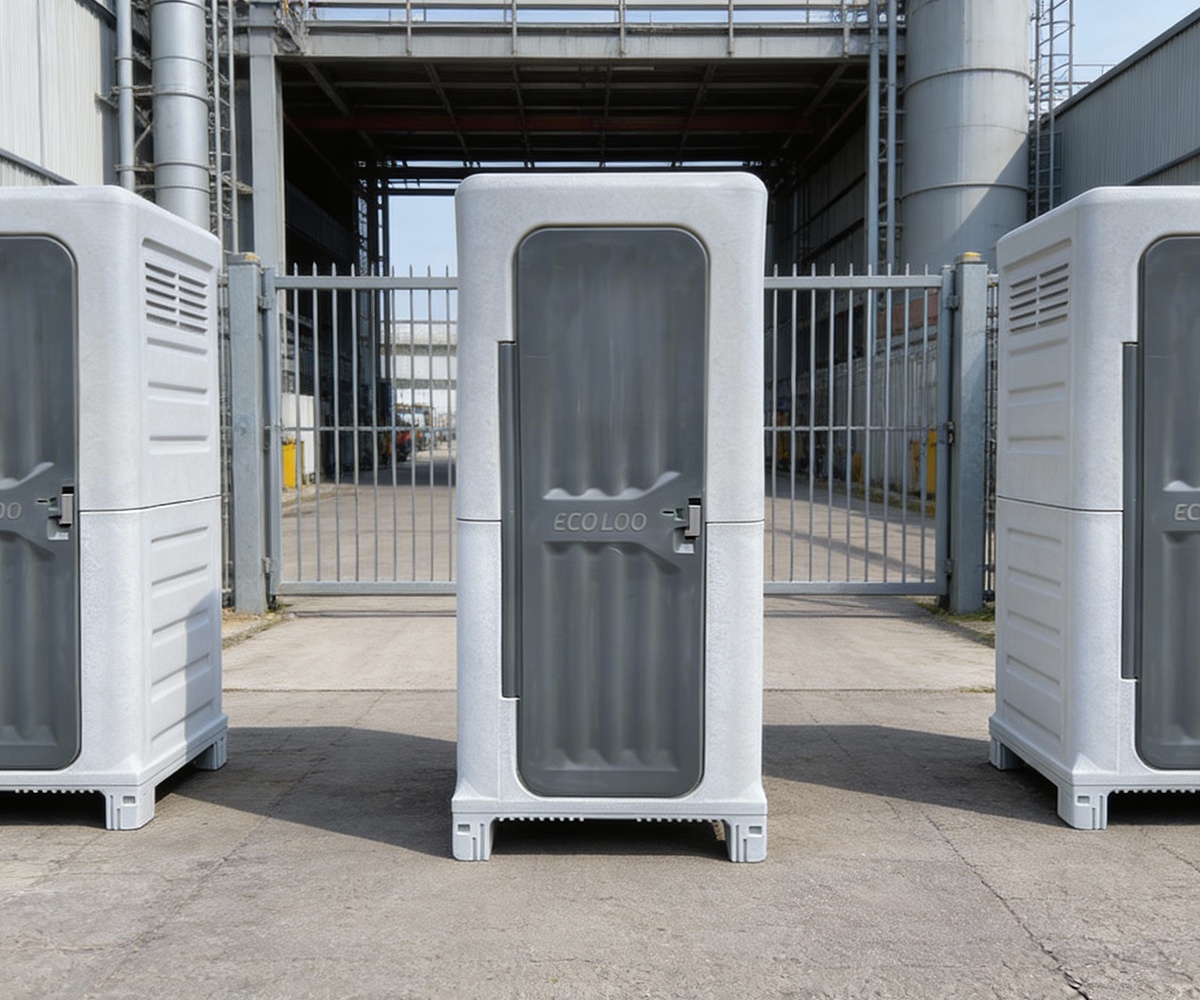
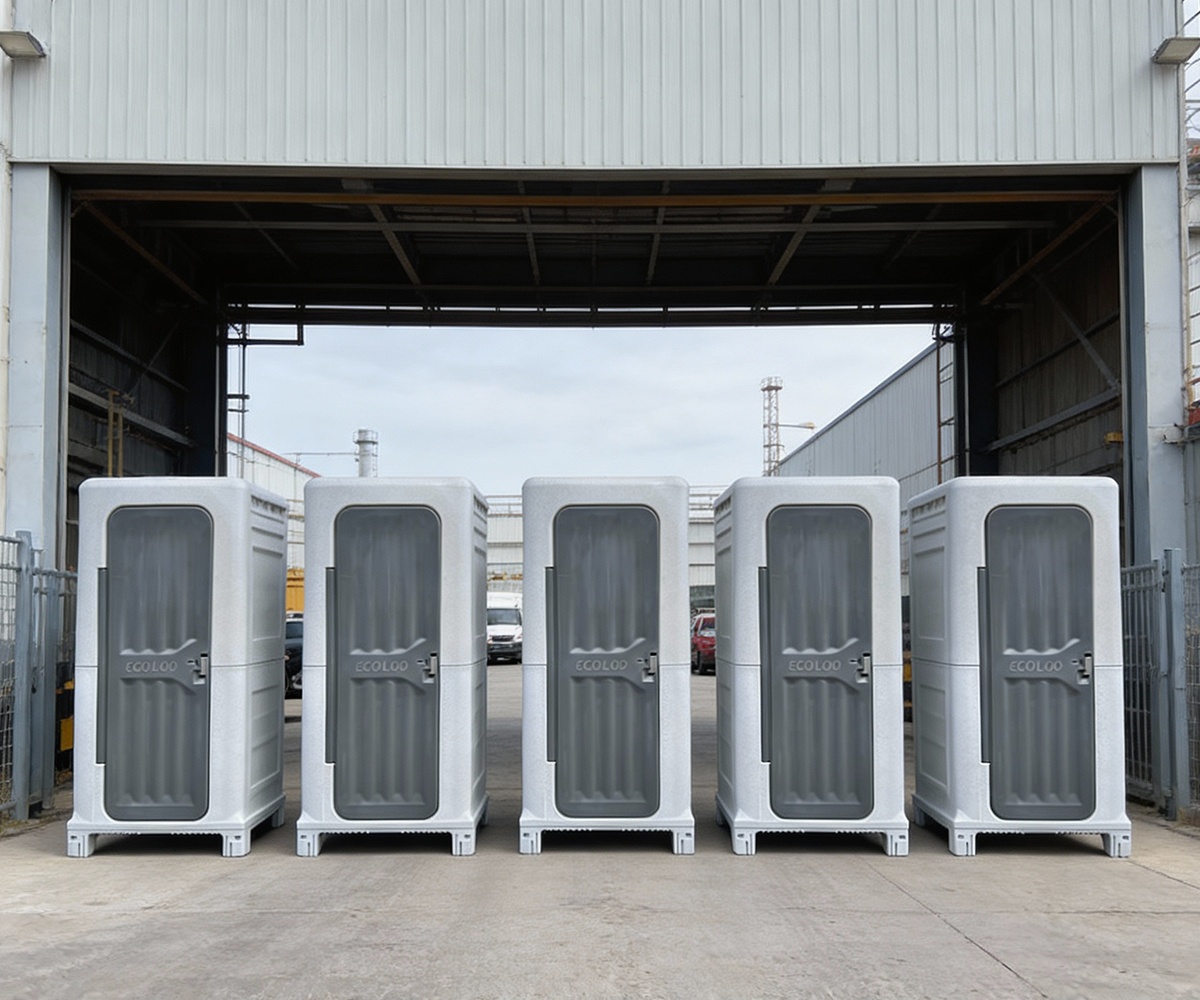
Within the Avanza Matrix catalogue, this approach is consistent across product lines. For example, our plastic portable toilets are designed as professional cabins ready to operate from day one, seamlessly integrating into rental fleets and operational workflows.
3) Direct impact on operator performance
Less friction during deployment
Receiving fully prepared units reduces intermediate steps. This is particularly relevant when deadlines are tight or when deployment is carried out in phases.
Reduced dependence on internal resources
The time and staff not dedicated to assembly can be allocated to value-generating activities: route planning, service quality control and preventive maintenance.
Lower pre-operational risk
Each additional step before entering service introduces potential risk. A ready-to-use model reduces this exposure and increases predictability at the start of operations.
4) Clear examples within the catalogue
The ready-to-use approach applies across different product categories, depending on the project:
- Plastic portable toilets: designed for intensive professional use, delivered ready for immediate integration into rental parks.
- Sanitary trailers: supplied fully assembled, designed for mobility and comfort without prior assembly phases.
This approach is reinforced by the availability of spare parts, a key factor in maintaining operational continuity over time.
5) What still needs to be properly defined
Receiving equipment ready to use does not eliminate the need for proper project design. To dimension correctly, the following variables remain essential:
- Actual availability of water, drainage and electricity.
- Site access and required placement logistics.
- Expected demand: number of users, service hours and peak periods.
- Service level to be offered (basic, enhanced, premium).
The more information available from the beginning, the easier it is to define the number of units, placement strategy and servicing plan without improvisation.
Checklist to compare delivery models
- Is the unit delivered operational or does it require assembly?
- What internal resources are required before it can be used?
- How does it impact timelines and operational planning?
- How many additional risk points are introduced before operation?
- How is maintenance and mid-term continuity guaranteed?
Conclusion
Choosing ready-to-use portable toilets is not simply a matter of convenience, but of operational control. It reduces time, simplifies processes and allows operators to focus on what truly matters: delivering reliable service.
If you are evaluating which model best fits your operations, this is one of the criteria that should be carefully analysed from the very beginning.